A lot of HPC and AI outages don’t happen solely because of hardware failures. They happen because one person or a small team was holding everything together and then wasn’t there.
If removing one person turns routine issues into crises, you’re not running a platform, you’re running a rescue operation.
This is not a problem isolated to the IT world; I have seen heroes prop up organisations in manufacturing, engineering, academia and many more.
What Is A Hero Employee?
Hero employees are the people everyone relies on.
 They rarely say no. They step in during incidents and are trusted to “just get it done”, no matter the personal cost.
From a management perspective, that can feel ideal. Work continues, incidents are resolved, and progress is maintained. Hero employees are often deeply committed, highly capable, and genuinely care about delivering quality outcomes.
The problem emerges when organisations begin to depend on this behaviour.
Hero employees quickly become a single point of failure within otherwise resilient-looking systems, introducing significant long-term risks to operational stability and scalability.
Over time, heroes often find themselves slipping into a “rescuer” role, helping because they feel responsible for the outcome.
Gradually, and often without conscious intent, this turns into “I’ll just do it myself”, limiting opportunities for others to build skills, confidence, and ownership.
How Do Hero Employees Come About?
Some people naturally take on more responsibility. In the workplace, that tendency is amplified by pressure to do more with less.
Combine:
- someone who cares about doing a good job, with
- senior leadership pressure to meet targets or keep things running, and
- a culture that rewards delivery more than sustainability,
and a hero employee can emerge quickly.
Many employees will push back when responsibilities exceed their role or available time. Others say yes. They work longer hours and absorb additional responsibility without formal ownership, recognition, or support.
Over time, they become the person relied upon for work well beyond what they were hired, or realistically able, to do.
At that point, this is no longer an individual choice. It’s a predictable outcome of the system leaders have designed and incentivised.
Hero Employees in HPC/AI services
In HPC and AI environments, infrastructure is complex, failure is expensive, and expertise is scarce.
Hero employees can genuinely determine the success or failure of a service, especially in the early stages. A small number of highly capable individuals often carry a disproportionate share of responsibility.
In startups or early-growth phases, this is sometimes unavoidable.
The risk appears when this early-stage operating model persists as the service grows and becomes business critical.
As scale increases, it becomes essential to:
- add specialist roles,
- provide clear technical progression paths,
- formalise ownership and accountability,
- grow headcount in proportion to responsibility, not just perceived service health.
Without that transition, individuals may remain in hero roles long after the organisation thinks it has developed a sustainable service.
What Happens When the Hero Leaves
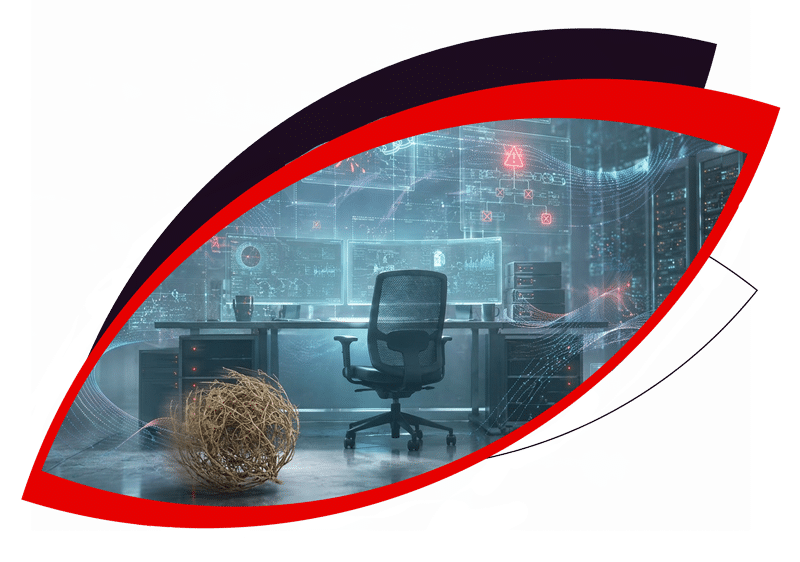 Initially, hero employees often feel valued. Their extra effort is visible, appreciated, and rewarded. Over time, however, that extra work can quietly become “just part of the job.”
When recognition fades, but expectations remain, even highly committed employees can become frustrated, burned out, and ultimately look to leave.
When a hero employee leaves, organisations often discover how much invisible work was being done:
- undocumented processes,
- quiet fixes,
- specialist knowledge held entirely in one person’s head.
Suddenly, reports stop appearing, old problems resurface, and the team scrambles to understand what changed.
From the outside, it can look like the service has declined. In reality, the service was being held together by goodwill rather than a resilient process and staffing.
This dynamic isn’t limited to small teams. Even in organisations with hundreds of employees, a handful of heroes can be masking underlying gaps that ought to be filled through automation, documentation, or headcount.
Reducing Hero Dependency, While Retaining the Heroes
Maturing an operations function requires deliberate leadership action to move beyond reliance on individual heroics and toward systems that support reliable, resilient and process-driven systems.
 Key considerations when making this shift include:
- Career paths that value technical excellence
Not all hero employees want to move into line management.
Clear technical progression is essential to ensure contribution is recognised without forcing people into roles they don’t want. - Workload assessment, not output alone
A service that appears stable may still be stretched thin. Evaluating workload against headcount, not just outcomes, is critical. - Investing before problems appear
Willingness to add headcount even when things are “working” is a hallmark of resilient organisations. - Create time and incentives for non-delivery tasks
Treat documentation, automation, and knowledge sharing as first-class operational work, with capacity explicitly reserved for it, not squeezed in after incidents.
Hero employees are not the problem; they are often a sign of dedication, capability, and commitment.
The real challenge is ensuring organisations do not build systems that require heroics to function.
If your HPC or AI platform only works because a few people regularly go above and beyond, the system itself is fragile.
Designing resilient HPC and AI platforms means deliberately breaking the hero dynamic, so success doesn’t depend on individual sacrifice.
Sustainable performance comes from designing organisations where excellence is supported by structure, not extracted through personal sacrifice.

James Page
Lead Consultant
Red Oak Consulting